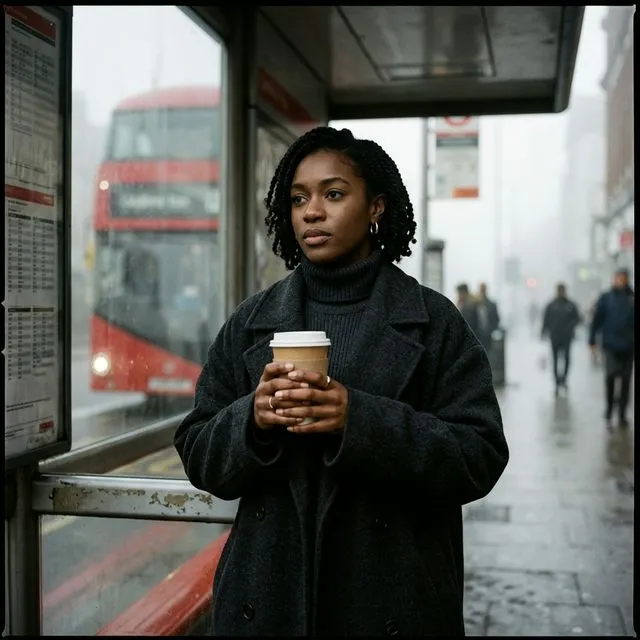
The kitchen smells of lemon oil and the ghost of last night’s rosemary. It is a quiet, expensive smell. She stands by the marble island, her fingers tracing the rim of a ceramic mug. The morning sun cuts across the room in sharp, diagonal blades, illuminating a single dust mote dancing in the air.
She is wearing a white t-shirt and blue jeans.
It sounds simple. It sounds like something anyone could do. But for her, this simplicity is a hard-won victory.
She grew up in a town where your clothes were a map. In Georgia, in the humid afternoons of her childhood, you never just "wore" something. You presented it. You starched the hem. You pressed the seam. You made sure that even if the roof leaked, your collar didn't sag. For her grandmother, a clean, white shirt was a declaration of war against a world that was constantly trying to find a reason to look down.
Casual wear was a luxury her ancestors couldn't afford. For them, being 'relaxed' was a sign of surrender.
The white t-shirt as we know it today began as an undergarment for the U.S. Navy in 1913. It was meant to be hidden. It wasn't until Marlon Brando wore one in A Streetcar Named Desire in 1951 that it became a symbol of rebellion and raw masculinity. But for Black communities in the South, the white tee followed a different trajectory. It became the "clean slate"—a way to show meticulous care and personal dignity in the face of systemic erasure.
She remembers the Sunday mornings spent over an ironing board, the steam rising up and making her hair frizzy. She remembers the way her mother would check her shoes for scuffs as if they were checking her soul for sin.
"We don't look like we're struggling," her mother would say, her eyes hard and focused. "We look like we're thriving, even when we're just surviveing."
Now, standing in this kitchen that she paid for with her own ambition, she looks at her reflection in the microwave door. The t-shirt is high-quality cotton. The jeans fit like they were grown on her.
True luxury isn't the ability to buy expensive things. It is the permission to be unremarkable.
She takes a sip of the coffee. It is bitter and perfect.
She thinks about her grandmother’s starched collars. She thinks about the weight of all those Sunday mornings.
She adjusts the tuck of her T-shirt while the dishwasher hums a low, rhythmic vibration through the kitchen island, and she stands there with her hands resting on the cool granite while the morning light catches the steam rising from her coffee mug, the house quiet enough that she can hear the wind moving through the trees outside, her reflection in the window showing nothing but the steady, unmoving shape of the cotton fabric settling against her shoulders.
Spin the Casual Streetwear Wheel
Embrace casual styling that tells your story. Spin the streetwear wheel for comfortable, identity-affirming outfits.
Spin the Streetwear Wheel